Melty Candy: A Happy Handwritten Font
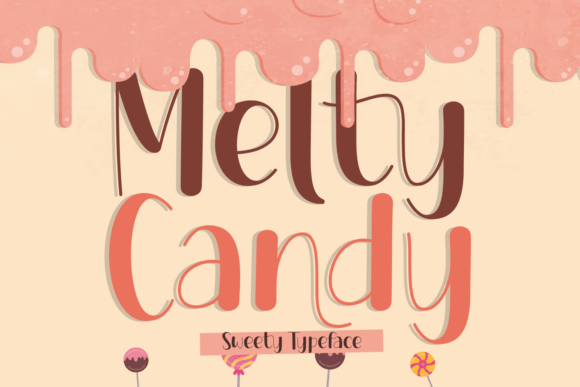
When it comes to design, the right font can transform a project from ordinary to extraordinary. Melty Candy is a unique handwritten font that brings a sense of joy and playfulness to any visual work. Its cheerful style makes it ideal for a wide range of applications, from branding and packaging to logotypes and wedding invitations. With its PUA encoding, accessing all the glyphs and ligatures is simple and straightforward, making it a versatile choice for designers looking to add personality to their work.
What Makes Melty Candy Special
Melty Candy stands out because of its warm, expressive character. The font has a hand-drawn quality that feels personal and approachable, perfect for projects that aim to connect with audiences on an emotional level. Unlike more rigid typefaces, Melty Candy adds a sense of spontaneity and fun, making it a great choice for creative professionals who want to convey a friendly or whimsical tone.
The font’s design is inspired by the idea of sweetness and lightheartedness, which is reflected in its curves and shapes. Each letter feels like it was written with care, giving it a unique charm that can elevate any design. Whether used in a logo, a headline, or a social media post, Melty Candy brings a fresh and inviting energy to the page.
Creative Applications for Melty Candy
One of the most appealing aspects of Melty Candy is its versatility. It can be used across various design disciplines, making it a valuable addition to any designer’s toolkit. For example, in branding, this font can help create a memorable identity that resonates with target audiences. Its playful nature makes it particularly well-suited for brands targeting younger demographics or those looking to establish a friendly, approachable image.
In packaging design, Melty Candy can add a touch of personality that sets a product apart from competitors. It works especially well for food-related items, such as confections, snacks, or beverages, where the font’s sweet aesthetic aligns with the product’s theme. When paired with vibrant colors and engaging illustrations, it can make packaging more eye-catching and appealing to consumers.
For logotypes, Melty Candy offers a distinctive alternative to traditional serif or sans-serif fonts. It can be used to create a custom look that reflects a brand’s unique voice. Whether the goal is to communicate creativity, fun, or innovation, this font provides a fresh and modern option that can help a business stand out in a crowded market.
Using Melty Candy in Different Contexts
Designers can adapt Melty Candy to suit different formats and platforms. On digital projects, such as websites or social media graphics, the font can be used to create engaging headlines or call-to-action buttons. Its legibility at smaller sizes makes it suitable for mobile-friendly designs, while its visual appeal ensures it remains attention-grabbing even in a busy layout.
In print materials, Melty Candy can enhance the overall aesthetic of brochures, flyers, or business cards. Its handwritten feel gives a sense of authenticity and craftsmanship, which can be especially valuable for small businesses or independent creators looking to build trust with their audience. When combined with other design elements, such as borders, icons, or patterns, it can create a cohesive and visually appealing layout.
Wedding invitations are another area where Melty Candy shines. Its elegant yet playful style can add a personal touch to event details, making them more memorable and engaging. Whether used for formal or casual weddings, the font can help set the tone for the occasion and reflect the couple’s personalities.
Best Practices for Using Melty Candy
To get the most out of Melty Candy, it’s important to use it thoughtfully. While the font is highly expressive, it may not be suitable for every design. For instance, in professional or formal contexts, it might be better to pair it with a more structured typeface to maintain balance and readability.
Consistency is key when using any font, including Melty Candy. Designers should ensure that the font is used in a way that aligns with the overall design language of a project. This includes considering factors such as color, spacing, and typography hierarchy. By maintaining a cohesive look, the font can enhance the visual impact without overwhelming the design.
Another tip is to experiment with different weights and styles. Some fonts offer variations that can be used to create contrast and visual interest. Even if Melty Candy doesn’t have multiple weights, designers can still achieve variety by adjusting size, color, or placement within a composition.
Conclusion: Embrace the Joy of Melty Candy
Melty Candy is more than just a font—it’s a tool for expressing creativity and connecting with audiences. Its unique style and flexibility make it a valuable asset for designers, marketers, and creators looking to add a touch of fun and personality to their work. Whether used in branding, packaging, or wedding invitations, it has the potential to bring a sense of warmth and joy to any project.
By understanding its strengths and limitations, users can harness the full potential of Melty Candy and create designs that are both effective and engaging. With its PUA encoding and easy access to glyphs, it’s also a practical choice for those who want to explore creative possibilities without technical barriers. Ultimately, Melty Candy is a great example of how typography can influence the mood and message of a design, making it a must-have for anyone passionate about visual communication.