Bright Garden: A Handwritten Font for Creative Projects
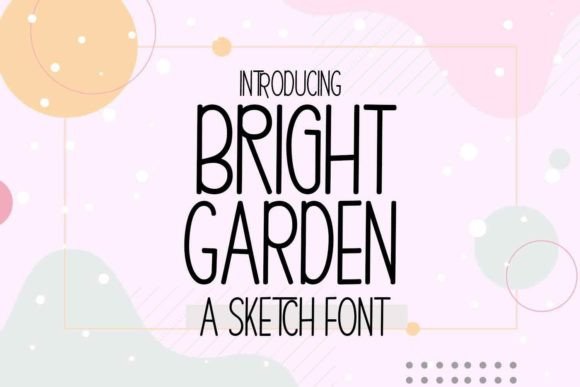
Bright Garden is a handwritten font that combines the elegance of classic typography with a distinctive, personal touch. Designed for versatility, it offers a unique aesthetic that can enhance a wide range of visual projects, from logos to greeting cards and book prints. Its organic style makes it stand out in a landscape dominated by more rigid typefaces, appealing to designers seeking a balance between tradition and creativity.
What Makes Bright Garden Unique?
Bright Garden features a natural, flowing script that mimics the irregularities of hand-drawn lettering. Unlike many digital fonts that aim for uniformity, this one embraces the subtle variations that come with a human touch. This characteristic gives it a warm, approachable feel, making it ideal for projects that aim to convey authenticity or personal expression.
The font’s structure retains the clarity of traditional serif or sans-serif designs while adding an element of spontaneity. This duality allows it to work well in both formal and informal contexts, depending on how it is applied. Its legibility at various sizes also makes it practical for use in different formats, from small text to large headlines.
Reasons to Consider Bright Garden
Designers and creators may be drawn to Bright Garden for several reasons. First, its handwritten appearance can add a sense of individuality to a project, distinguishing it from more standard fonts. This is particularly valuable in branding, where standing out is essential. For example, a small business looking to create a memorable logo might find that Bright Garden offers a fresh alternative to common typefaces.
Second, the font’s adaptability makes it suitable for multiple applications. Whether used in print or digital media, it can maintain its character without losing readability. This flexibility is important for designers who need a single font to serve various purposes across different platforms.
Third, Bright Garden can evoke a sense of nostalgia or craftsmanship. Its style may resonate with audiences who appreciate handmade or artisanal elements, making it a strong choice for products targeting those values. This emotional connection can enhance the overall impact of a design, especially in industries like publishing, stationery, or lifestyle branding.
Benefits and Tradeoffs
One of the primary benefits of using Bright Garden is its ability to add personality to a design. It can transform a simple message into something more engaging and visually interesting. This is particularly useful for creative projects that rely on visual storytelling or emotional appeal.
However, there are tradeoffs to consider. While the font’s uniqueness is a strength, it may not be the best choice for all situations. In highly formal or professional contexts, such as legal documents or corporate reports, its casual appearance could undermine the intended tone. Similarly, if a project requires a clean, modern look, Bright Garden might not align with that vision.
Another consideration is the font’s availability. Not all design software or platforms may support it, which could limit its usability. Designers should verify compatibility before committing to it for a project. Additionally, while the font is readable, its cursive style may require careful spacing and sizing to ensure optimal legibility, especially in longer texts.
Situations Where Bright Garden Excels
Bright Garden is particularly effective in creative fields that value individuality and artistic expression. For instance, it works well for branding in the arts, fashion, or food industries, where a personal touch can enhance the brand identity. It can also be a great choice for wedding invitations, thank-you notes, or other personalized items that benefit from a custom feel.
In publishing, the font can be used for book titles, chapter headings, or promotional materials. Its aesthetic complements literary or poetic content, offering a visual counterpart to the written word. Similarly, in the realm of digital marketing, it can be used for social media posts, banners, or email campaigns to create a more engaging and humanized look.
When Alternatives May Be Better
There are scenarios where other fonts may be more appropriate. For example, in technical or data-heavy documents, a clean, neutral font like Arial or Helvetica might be preferable for clarity and professionalism. In these cases, the focus is on readability rather than style, and Bright Garden’s decorative elements could distract from the main message.
Additionally, if a project requires a high degree of consistency across multiple languages or scripts, a more standardized font may be necessary. Bright Garden, being a handwritten style, may not translate well into non-Latin alphabets or complex character sets, limiting its utility in global contexts.
For businesses aiming for a modern, minimalist aesthetic, alternatives such as Futura or Montserrat might offer a better fit. These fonts provide a sleek, contemporary look that aligns with current design trends, whereas Bright Garden’s vintage-inspired style may feel outdated in certain settings.
Practical Decision-Making Insights
When deciding whether to use Bright Garden, it’s important to evaluate the specific needs of the project. Ask questions such as: What is the intended audience? What tone should the design convey? How will the font perform in different formats? These considerations can help determine whether the font aligns with the overall goals.
Testing the font in real-world scenarios is also advisable. Creating mockups or prototypes can reveal how it looks in different sizes, colors, and backgrounds. This step can highlight any potential issues with legibility or visual harmony that may not be apparent in a static preview.
Finally, consulting with other designers or stakeholders can provide additional perspectives. Their feedback can help identify strengths and weaknesses that may not be immediately obvious, ensuring that the final decision is well-informed and aligned with the project’s objectives.
In summary, Bright Garden is a versatile and expressive font that can add character to a wide range of creative projects. Its unique style offers a compelling alternative to more conventional typefaces, but its suitability depends on the specific requirements of the design. By carefully considering its benefits, limitations, and context, users can make an informed choice about whether it meets their needs.