Formuse: A Handwritten Font for Creative Expression
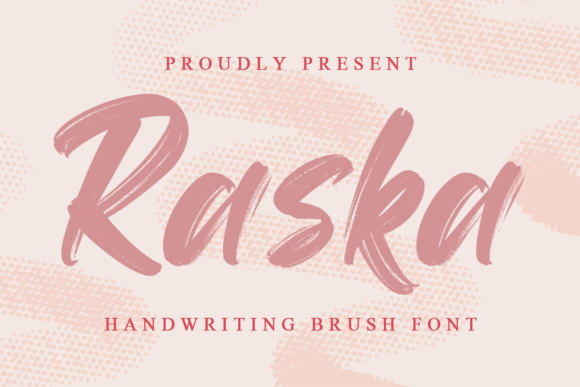
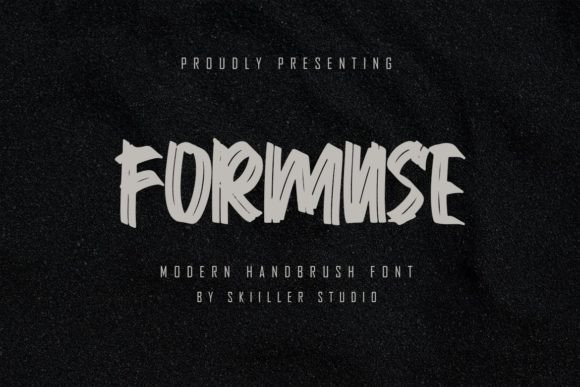
Formuse is a dry hand brushed display font that brings the warmth and personality of handwriting to digital design. With its natural, slightly uneven strokes and soft edges, it captures the essence of a real pen on paper. This premium font is ideal for projects that need a personal touch without the effort of writing by hand. Whether you're designing a logo, creating social media graphics, or adding a handwritten feel to packaging, Formuse offers a versatile and expressive solution.
Its visual characteristics are distinct yet approachable. The font has a casual, friendly vibe with subtle variations in line weight that mimic the imperfections of human handwriting. These small inconsistencies make it feel authentic rather than artificial, which is perfect for brands looking to convey a more relatable and down-to-earth image. Unlike rigid typefaces, Formuse adds a sense of movement and energy, making it stand out in both print and digital formats.
Where Formuse Shines
Formuse works best in creative and branding projects that benefit from a personal, handwritten aesthetic. It’s particularly effective for logos that want to feel more approachable, such as those for boutique businesses, artisanal products, or lifestyle brands. Its organic look also makes it a great choice for headers, posters, and social media greeting cards where a human touch can enhance the message.
In editorial design, Formuse can be used to highlight quotes, captions, or titles, adding a unique visual element that draws attention. For product packaging, it helps create a more tactile and memorable brand experience, especially for items like candles, skincare products, or handmade goods. In web design, it can be used for call-to-action buttons, banners, or section headings to add a dynamic and engaging feel to the layout.
When it comes to commercial use, Formuse is a reliable option for businesses looking to maintain a consistent and professional brand identity. Its readability is strong enough for short text blocks, making it suitable for signage, labels, or promotional materials. However, it’s important to note that while it’s highly legible at larger sizes, it may not be ideal for long paragraphs of body text due to its stylistic nature.
How Formuse Influences Design and Branding
The choice of a font like Formuse can significantly impact how a brand is perceived. Its handwritten style conveys a sense of authenticity, creativity, and individuality. This makes it a powerful tool for building emotional connections with audiences, especially in industries where personalization and craftsmanship are valued.
From a design perspective, Formuse can help establish a clear visual hierarchy. Its bold, brush-like strokes make it ideal for headlines or key messages, while its softer details allow it to blend well with other fonts in a design. When paired with a clean sans-serif or serif font, it can create a balanced contrast that enhances readability and visual interest.
For small business owners and entrepreneurs, using Formuse can help differentiate their brand from competitors. In a world dominated by generic, mass-produced designs, a custom or expressive font can make a brand feel more unique and memorable. This is especially true for online stores, social media profiles, and marketing materials where first impressions matter.
Choosing and Using Formuse Effectively
Before incorporating Formuse into your project, consider the context and audience. If your brand has a modern, minimalist aesthetic, a more structured font might be a better fit. However, if you’re aiming for a warm, inviting, or artistic tone, Formuse can be an excellent choice.
Testing different font pairings is essential to ensure compatibility. Try pairing it with a simple, neutral font to see how it interacts in a layout. Pay attention to spacing, contrast, and overall balance. Also, review the included styles—many display fonts come with multiple weights or variants that can offer more flexibility in your design.
Readability is another key factor. While Formuse is visually appealing, it’s important to test it at various sizes and in different mediums. For example, a large header on a poster will look great, but using it for body text on a website could reduce legibility. Always prioritize clarity, especially when the font is part of a functional design element like a menu, label, or instruction.
Finally, check the licensing terms before using Formuse commercially. Ensure that the font is properly licensed for the intended use, whether it's for a logo, website, or printed material. Many premium fonts offer flexible licenses that cover a range of applications, but it’s always wise to confirm the details to avoid any legal issues.
Real-World Applications of Formuse
Consider a small coffee shop looking to update its branding. By using Formuse in its logo and signage, the shop can create a cozy, welcoming atmosphere that feels more personal than a standard font. Similarly, a blogger who wants to add a handwritten flair to their social media posts could use Formuse in captions or title cards to give their content a more intimate feel.
In packaging design, a skincare brand might use Formuse on product labels to emphasize the natural and handmade aspects of their ingredients. This not only reinforces the brand’s values but also makes the packaging more visually appealing and distinctive. For a wedding planner, Formuse could be used in invitations or thank-you cards to add a romantic, personalized touch.
Ultimately, Formuse is more than just a font—it’s a design tool that can elevate a wide range of creative projects. Whether you're working on a logo, a marketing campaign, or a personal project, it offers a way to infuse your work with character, emotion, and a human touch. With thoughtful application, it can become a key element of your brand’s visual identity and a powerful asset in your design toolkit.