Happy Mail: A Quirky Font for Creative Expression
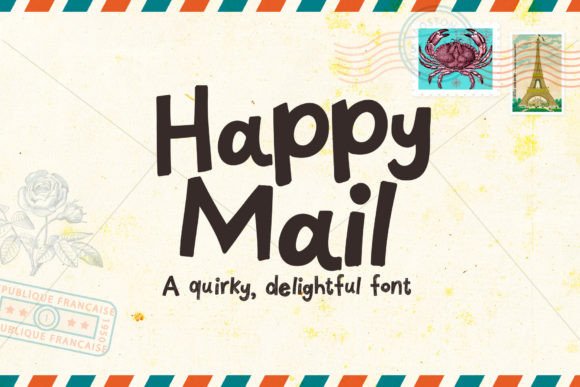
Happy Mail is a distinctive display font that brings a sense of joy and whimsy to any design project. Its playful style makes it ideal for a variety of applications, from product packaging to branding and social media. Designed with a unique personality, Happy Mail stands out in a sea of more traditional typefaces, offering a fresh and engaging visual identity.
What Is Happy Mail?
Happy Mail is a font that combines a casual, handwritten aesthetic with a structured layout. It features rounded edges and slightly uneven letterforms that give it a friendly, approachable feel. This font is particularly well-suited for projects that aim to convey a sense of fun or lightheartedness. Its versatility allows it to be used across multiple platforms, making it a valuable tool for designers looking to add a touch of personality to their work.
Why Consider Happy Mail?
Designers and marketers often turn to Happy Mail when they want to create a visual identity that feels personal and engaging. The font's unique style can help differentiate a brand or product in a competitive market. For instance, businesses targeting a younger audience may find that Happy Mail resonates more effectively than more formal typefaces. Additionally, its readability at larger sizes makes it suitable for headlines, logos, and other prominent design elements.
Another reason to consider Happy Mail is its ability to evoke emotion. The font's playful nature can communicate a sense of warmth and friendliness, which can be especially beneficial for brands in the food, lifestyle, or entertainment industries. By using Happy Mail, designers can create a more inviting and memorable visual experience for their audience.
Benefits of Using Happy Mail
One of the primary benefits of Happy Mail is its ability to enhance the visual appeal of a design. Its distinctive look can make a project stand out, drawing attention and creating a lasting impression. This is particularly useful in marketing materials, where first impressions are crucial.
Additionally, Happy Mail is easy to use in various design software, making it accessible to both novice and experienced designers. Its availability in different weights and styles allows for greater flexibility in design projects. This adaptability means that users can tailor the font to suit their specific needs, whether they're working on a digital or print medium.
Considerations and Tradeoffs
While Happy Mail offers many advantages, it is important to consider its limitations. The font's informal style may not be appropriate for all design contexts. For example, in professional or corporate settings, a more traditional font might be preferred to convey a sense of authority and reliability.
Readability is another factor to consider. While Happy Mail is legible at larger sizes, it may not be the best choice for body text or long passages of content. Designers should ensure that the font is used appropriately, avoiding situations where it could compromise the clarity of the message.
Situations Where Happy Mail Shines
Happy Mail is particularly effective in creative and expressive projects. It works well for product packaging, where a unique and eye-catching design can attract consumer attention. In branding, the font can help establish a distinct identity that reflects the values and personality of a business.
For social media and digital content, Happy Mail can add a fun and engaging element to posts, banners, and other visual assets. It is also a great choice for wedding invitations and event signage, where a personalized and charming touch can enhance the overall experience.
When Alternatives May Be Better
In some cases, alternative fonts may be more suitable. For instance, if a designer is aiming for a more sophisticated or minimalist look, a clean sans-serif or serif font might be a better fit. Similarly, for projects requiring high levels of professionalism, a more formal typeface could be preferable.
It is also important to consider the target audience. If the intended audience prefers a more serious or traditional aesthetic, Happy Mail may not be the best choice. Designers should evaluate the context and purpose of their project before selecting a font.
Decision-Making Insights
When deciding whether to use Happy Mail, designers should assess the goals of their project and the expectations of their audience. It is helpful to experiment with the font in different contexts to see how it performs. Testing the font in various sizes and formats can provide valuable insights into its effectiveness.
Additionally, considering the overall design scheme is essential. Happy Mail should complement other elements of the design rather than compete with them. Balancing the font's playful nature with other visual components can help achieve a cohesive and impactful result.
Ultimately, the decision to use Happy Mail should be based on its ability to meet the specific needs of a project. By carefully evaluating its strengths and limitations, designers can determine whether it aligns with their creative vision and objectives.