Modish: The Retro Display Font That Brings Vintage Vibes to Your Designs
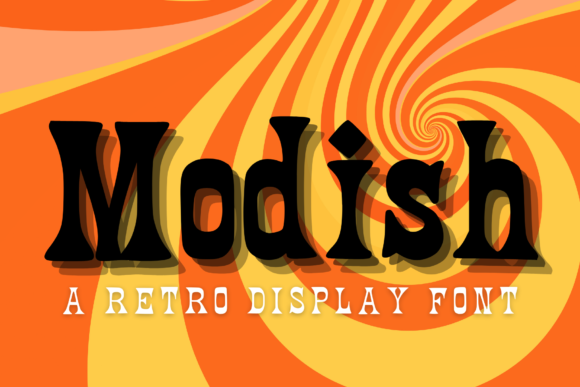
In a world where digital design often leans toward sleek, modern aesthetics, there's a growing appreciation for the charm of the past. Modish is a new retro display font that captures the essence of vintage design, offering a unique way to add a groovy, nostalgic flair to your creative projects. Whether you're working on a logo, a poster, or a branding campaign, Modish can help you stand out with its distinctive style.
Designed for those who want to blend old-world appeal with contemporary design, Modish comes in both regular and bold typefaces. This versatility makes it an excellent choice for a wide range of applications, from web design to print media. Its clean lines and retro character make it ideal for anything that needs a touch of personality and visual interest.
Why Choose a Retro Display Font?
Designers today are constantly looking for ways to differentiate their work. While many fonts offer modern sophistication, they often lack the character and warmth that retro styles bring. Modish fills this gap by providing a font that feels both familiar and fresh. It's perfect for projects that aim to evoke a sense of nostalgia without sacrificing clarity or readability.
One of the main challenges designers face is finding a font that strikes the right balance between uniqueness and usability. Many retro fonts can be difficult to read at smaller sizes or may not pair well with other typefaces. Modish, however, is crafted with these considerations in mind. Its legibility ensures that it works well in various contexts, while its distinct style adds visual appeal without overwhelming the design.
How Modish Can Help Your Projects
Whether you're designing for a music festival, a vintage-themed event, or a brand that wants to convey a sense of history, Modish can be a powerful tool. Its bold variant is especially effective for headlines and titles, making it ideal for posters, banners, and social media graphics. The regular weight, on the other hand, works well for body text or longer sections where a more subdued yet stylish appearance is needed.
For example, a designer creating a poster for a 1970s-style rock concert could use Modish Bold to grab attention with the headline, while using a complementary sans-serif font for the supporting details. This combination creates a cohesive look that feels both authentic and professional. Similarly, a small business looking to rebrand with a vintage aesthetic might use Modish to create a logo that stands out while still being easy to read.
Practical Applications of Modish
The versatility of Modish means it can be used in a variety of design scenarios. Here are a few practical examples:
- Logos and Branding: Modish can give your brand a unique identity that reflects a retro vibe, making it stand out in a competitive market.
- Print Materials: From business cards to brochures, Modish adds a tactile, nostalgic feel that enhances the overall design.
- Web Design: When used as a heading font, Modish can create a visually engaging website that feels both modern and timeless.
- Social Media Graphics: Whether you're creating Instagram posts or Facebook ads, Modish can help you capture attention with its distinctive style.
When using Modish, it's important to consider the context in which it will be displayed. For instance, if you're using it on a website, ensure that it pairs well with other fonts and that the overall layout remains readable. In print, pay attention to how the font looks at different sizes and in various lighting conditions.
Considerations for Different Users
Not every designer will approach Modish in the same way. Some may use it for its visual impact, while others may appreciate its historical significance. A graphic designer focused on branding might prioritize Modish for its ability to communicate a specific mood or era, while a web developer might focus on its compatibility with different platforms and devices.
Additionally, users should consider the target audience when choosing a font. If the goal is to appeal to a younger demographic, Modish might be too nostalgic. However, for audiences that value authenticity and craftsmanship, it can be a strong choice. It's also worth experimenting with different weights and combinations to find the best fit for your project.
Conclusion
Modish is more than just a font—it's a design tool that brings the charm of the past into the present. With its retro aesthetic and versatile styling, it offers a fresh way to enhance your creative work. Whether you're looking to add a vintage flair to a logo, a poster, or a website, Modish provides the perfect solution. By understanding how to use it effectively, you can unlock new possibilities for your designs and create work that feels both unique and meaningful.