h1 Groovy Panda: A Playful Nostalgic Display Font for Creative Designers
p In the world of typography, finding a font that balances personality with practicality can be challenging. Groovy Panda stands out as a display font that brings a unique blend of retro charm and modern versatility. Designed with a playful, nostalgic vibe, it offers designers a way to infuse their projects with a sense of fun and whimsy without sacrificing clarity or impact.
h2 What Makes Groovy Panda Distinct?
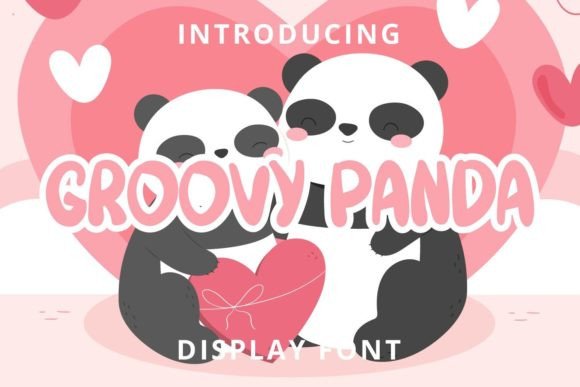
p Groovy Panda is more than just a font—it's a design statement. Its characters are crafted with a hand-drawn aesthetic that evokes the spirit of 1970s and 1980s graphic design. The font’s curves and shapes feel organic, as if they were sketched by hand rather than generated by a computer. This gives it an authentic, tactile quality that many digital fonts lack.
p One of the standout features of Groovy Panda is its ability to convey emotion through typography. Whether used in logos, posters, or branding materials, it adds a layer of character that can make a design stand out. The font’s distinct style makes it ideal for projects that aim to evoke nostalgia, such as retro-themed campaigns, vintage-style packaging, or creative branding for entertainment or lifestyle brands.
h2 Comparing Groovy Panda to Similar Options
p When evaluating display fonts, it's important to consider how they fit into different design contexts. Groovy Panda shares some similarities with other retro-inspired typefaces like Bebas Neue, Lobster, or Pacifico, but it has a more playful and less formal tone. While these alternatives may offer a cleaner or more elegant look, Groovy Panda leans into a more expressive and spontaneous feel.
p For designers looking for a font that can work across multiple formats—print, digital, or motion graphics—Groovy Panda offers a level of adaptability that many similar fonts don’t. Its legibility at larger sizes makes it suitable for headings and titles, while its distinctive style ensures it doesn't get lost in a sea of generic typefaces.
h2 Strengths and Best-Fit Situations
p The primary strength of Groovy Panda lies in its ability to add visual interest without overwhelming the viewer. It works well in situations where a design needs a touch of personality, such as in music festivals, art exhibitions, or promotional materials for creative industries. Its retro influence also makes it a strong choice for branding that targets younger audiences or those with a love for vintage aesthetics.
p Groovy Panda is particularly effective when used in combination with simpler, more neutral fonts. For example, pairing it with a sans-serif typeface like Helvetica or Roboto can create a balanced composition that highlights the font’s uniqueness without clashing.
h2 Tradeoffs and Limitations
p While Groovy Panda excels in certain scenarios, it may not be the best choice for every project. Its highly stylized appearance can sometimes make it less readable at smaller sizes, which limits its use in body text or detailed layouts. Designers should be mindful of this when planning how to incorporate the font into their work.
p Additionally, the font’s playful nature may not align with more serious or professional branding efforts. In cases where a clean, minimalistic look is required, Groovy Panda could feel out of place. It’s important to consider the tone and message of a project before deciding to use it.
h2 When Groovy Panda Is the Right Choice
p Groovy Panda is ideal for projects that benefit from a bold, expressive font. It shines in creative industries such as advertising, entertainment, and fashion, where visual impact is key. For example, a music band promoting a retro-themed concert might use Groovy Panda in their event poster to create an immediate connection with their audience.
p Another scenario where Groovy Panda is well-suited is in branding for small businesses or startups that want to establish a fun, approachable identity. Its nostalgic appeal can help build emotional connections with customers who appreciate vintage design elements.
h2 When Other Options Might Be Better
p In contrast, for projects that require a more refined or professional look, alternative fonts may be more appropriate. For instance, a financial services company or a law firm would likely prefer a more traditional typeface that conveys trust and reliability. Similarly, in technical or data-heavy designs, a font with greater legibility and neutrality would be a better fit.
p Designers should also consider the target audience when choosing a font. If the intended users are older or have specific readability needs, a simpler, more straightforward typeface may be more effective than a stylized one like Groovy Panda.
h2 Practical Examples and Use Cases
p One practical application of Groovy Panda is in social media content, where eye-catching headlines and captions are essential. Brands targeting Gen Z or millennial audiences may use the font to create a more engaging and relatable visual identity. For example, a food delivery app could use Groovy Panda in its promotional banners to reflect a fun, energetic brand image.
p In print design, Groovy Panda can be used for magazine covers, event flyers, or product packaging. Its bold, stylized look helps draw attention and create a memorable impression. However, designers should ensure that the font remains readable when printed at various sizes and on different materials.
h2 Making an Informed Decision
p Choosing the right font involves understanding both the strengths and limitations of each option. Groovy Panda is a powerful tool for adding character and nostalgia to a design, but it’s not a one-size-fits-all solution. Designers should evaluate their project’s goals, audience, and context before deciding to use it.
p Ultimately, the decision to use Groovy Panda should be based on how well it aligns with the overall vision of the design. When used thoughtfully, it can elevate a project and add a unique, retro flair that sets it apart from the competition.