Galaxus: The Bold, Sleek Font Redefining Modern Design
In a world where visual identity plays a crucial role in branding and communication, the right typeface can make all the difference. Galaxus is more than just a font—it's a statement. With its tight spacing, sleek design, and distinctive character set, Galaxus has carved out a niche for itself in the realm of display fonts. Its minimalist yet edgy aesthetic makes it ideal for projects that demand both modernity and impact.
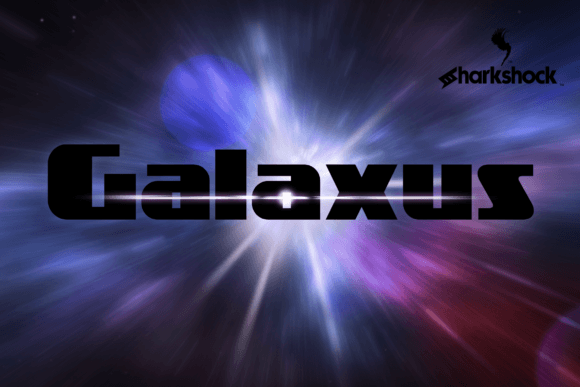
Designed with a focus on clarity and strength, Galaxus combines sharp lines with subtle contrasts to create a look that’s both clean and dynamic. This font isn’t meant for body text; it’s built for headlines, logos, and visual elements where boldness matters. Its unique structure sets it apart from traditional sans-serif or serif fonts, making it a go-to choice for designers looking to stand out.
What Makes Galaxus Unique?
At first glance, Galaxus might seem like another sleek display font, but its design philosophy sets it apart. The font’s tight spacing gives it a compact, cohesive feel, while its short descenders add a sense of precision. Unlike many fonts that rely on curves and flourishes, Galaxus uses straightened lines and limited curvature to create a streamlined appearance.
This approach is particularly evident in the uppercase letters. Traditional diagonals in characters like M, N, W, and Y are simplified into straight lines, emphasizing verticality and structure. This not only enhances readability but also reinforces the font’s modern edge. The contrast between thick and thin strokes adds depth, giving each letter a sense of movement and energy.
For designers, this combination of structure and contrast offers a versatile tool. Whether used in a logo, on merchandise, or in digital media, Galaxus delivers a consistent and striking visual presence. Its ability to balance minimalism with impact makes it a powerful asset in creative workflows.
Why Galaxus Fits Modern Design Trends
The rise of minimalist aesthetics in design has created a demand for fonts that are clean, functional, and visually strong. Galaxus aligns perfectly with this trend. In an era where simplicity often equates to sophistication, fonts like Galaxus provide a way to communicate boldness without overwhelming the viewer.
Moreover, the shift toward digital platforms has influenced how fonts are used. Web design, mobile interfaces, and video game graphics require typefaces that are legible at various sizes and resolutions. Galaxus, with its structured design, adapts well to these environments. Its clarity at smaller sizes ensures that it remains effective even in constrained spaces.
Another factor driving interest in Galaxus is the growing importance of brand identity. Businesses and creators are increasingly focused on building recognizable visual signatures. A font like Galaxus can help establish a distinct brand image, especially in competitive markets where differentiation is key.
Practical Applications of Galaxus
Galaxus is most effective in scenarios where visual impact is essential. One of its strongest use cases is in logo design. Its bold, structured form provides a strong foundation for brand names, making it ideal for startups, tech companies, and creative studios looking to project confidence and innovation.
Sports apparel is another area where Galaxus shines. Athletic brands often seek fonts that convey energy, strength, and movement. Galaxus’s tight spacing and dynamic stroke contrast give it a high-energy feel that resonates with athletic audiences. Whether used on jerseys, banners, or promotional materials, it adds a modern, edgy touch.
Video games are another natural fit for Galaxus. Game developers and designers often use display fonts to create immersive experiences. Galaxus’s sleek, futuristic look complements sci-fi themes, action-oriented titles, and high-energy gameplay. Its clean design also ensures that text remains readable in fast-paced environments.
Designing with Galaxus: Tips and Considerations
While Galaxus is a powerful font, it’s important to use it thoughtfully. Because of its tight spacing, it may not be suitable for long blocks of text. Instead, it works best as a headline or accent font. When pairing it with other typefaces, consider using a complementary serif or sans-serif to balance its boldness.
Accessibility is another consideration. Ensure that any text using Galaxus is large enough and has sufficient contrast against its background. Testing the font in different contexts—such as on screens, print, or in motion—can help identify potential issues before finalizing a design.
Finally, don’t be afraid to experiment. Galaxus’s versatility allows for creative applications beyond traditional use cases. Try combining it with geometric shapes, gradients, or animations to enhance its visual appeal. The key is to maintain its core identity while exploring new ways to express it.
The Future of Display Fonts and Galaxus
As design trends continue to evolve, the role of display fonts like Galaxus will likely expand. With the increasing emphasis on visual storytelling and user experience, there’s a growing need for typefaces that can convey emotion, energy, and personality. Galaxus, with its distinctive style, is well-positioned to meet this demand.
Looking ahead, we may see more integration of fonts like Galaxus into interactive media, such as AR and VR experiences. These emerging technologies require fonts that are both visually engaging and functionally effective. Galaxus’s clean, structured design makes it a strong candidate for such applications.
Ultimately, the future of Galaxus depends on how well it adapts to changing design needs. As long as there is a demand for bold, modern typography, Galaxus will remain a relevant and valuable tool for designers and creators.